Simple Errors That Can Ruin Your Paint Job and How to Stop Them
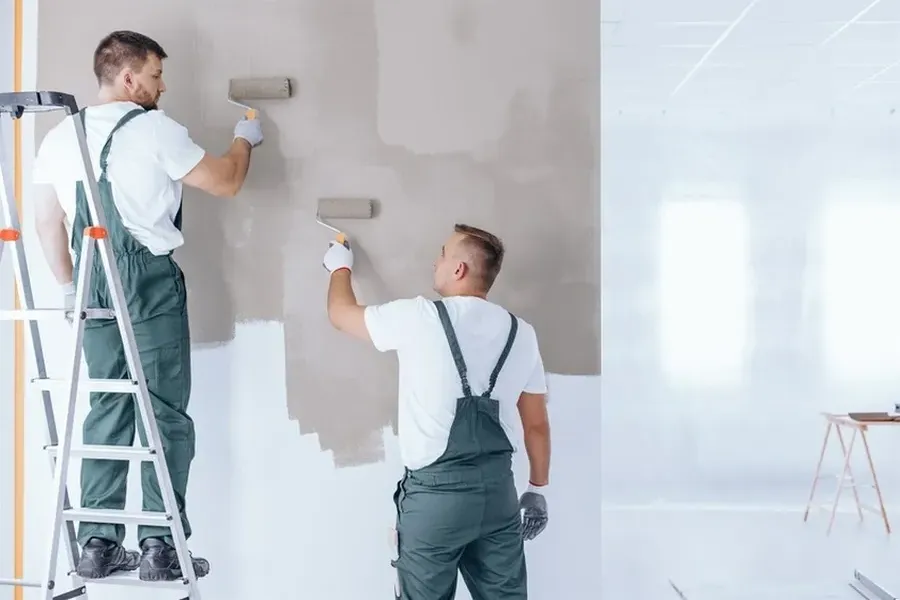
Many paint problems happen because of small, preventable mistakes. Skipping prep work, using the wrong tools, or rushing the job can lead to peeling, streaks, and uneven color. Interior house painting looks simple, but details matter. When you slow down and follow smart steps, your walls look smooth and last for years.
Why Prevention Matters
A good paint job should hold up to daily life. Walls face bumps, stains, and sunlight every day. If the surface is not ready or the paint is applied the wrong way, it can chip or fade fast. Fixing mistakes often costs more than doing it right the first time. Taking time to avoid common errors saves money and stress.
Early Warning Signs Something Is Going Wrong
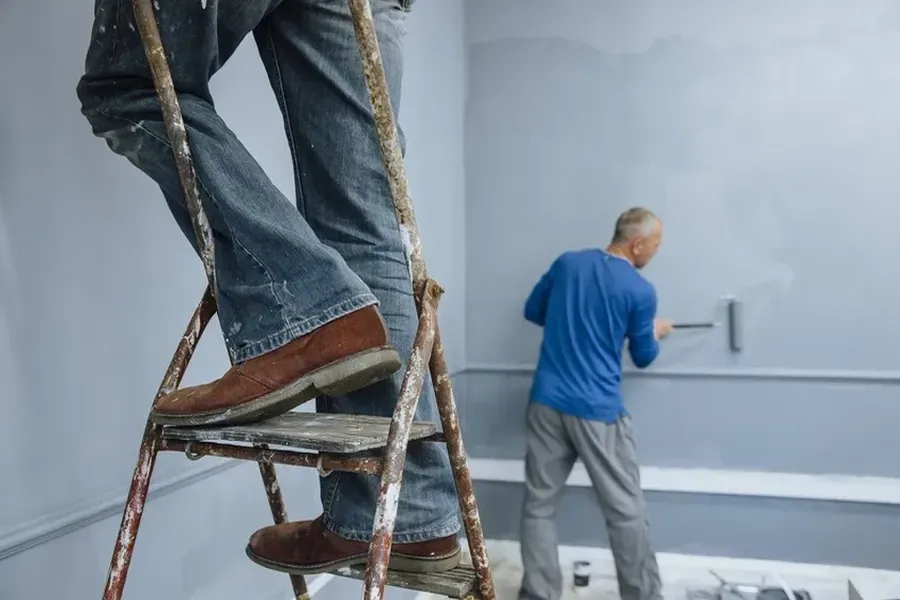
Small issues often show up before big damage appears. Watch for these signs during your project:
- Paint looks patchy or thin after it dries
- Roller marks and brush lines stay visible
- Bubbles form on the wall surface
- Paint peels when you remove tape
- A strong smell lasts longer than expected
If you see any of these problems, stop and check your process before moving forward.
Seasonal and Routine Checklist Before You Start
Timing and prep work play a big role in interior house painting. Before opening a paint can, run through a simple checklist:
- Clean the walls to remove dust and grease.
- Fill holes and sand rough patches smooth.
- Use painter’s tape to protect trim and ceilings.
- Prime stains or dark colors before painting.
- Stir the paint well and pour into a tray.
- Test a small area to confirm the color.
Room temperature also matters. Paint dries best in mild, dry conditions. Very humid or cold rooms can slow drying and cause streaks.
Best Practices for Long-Term Results
Choosing the right materials makes a big difference. Cheap brushes often shed bristles and leave lines. Low-quality rollers may not spread paint evenly. Spend a little more on solid tools for a better finish.
Use the right type of paint for the room. Bathrooms and kitchens need paint that handles moisture and is easy to wipe clean. Flat paint hides wall flaws but can mark easily. Satin or semi-gloss works well in busy areas.
Apply paint in thin, even coats. Thick coats take longer to dry and may drip. Most rooms need two coats for full coverage. Let the first coat dry fully before adding the second. Rushing this step is one of the most common painting mistakes.
Keep a wet edge while rolling. This means overlapping each stroke before the previous one dries. It helps prevent lines and uneven spots.
What Not to Do During Interior House Painting
Avoid these common errors that can ruin your hard work:
- Do not skip primer when covering stains or dark paint.
- Do not paint over dirty or glossy surfaces without sanding.
- Do not remove tape before the paint is slightly dry.
- Do not overload your brush or roller with paint.
- Do not ignore small cracks or nail holes.
Another mistake is poor lighting. Always check your work in bright light. Some flaws only show up once the sun hits the wall.
When to Schedule Professional Help
Some projects are harder than they look. High ceilings, detailed trim, and large open spaces can be tough for a DIY job. If walls have water damage or heavy stains, special prep work may be needed. Homes with older surfaces may also require extra care.
If you feel unsure about surface repair, color matching, or achieving a smooth finish, calling a professional crew can save time. Experienced painters know how to handle tricky spots and avoid costly errors during interior house painting.
Get Reliable Results for Your Next Paint Project
If you want clean lines and smooth walls in your West Columbia, SC home, professional help can make a big difference. At Familia BM Paint LLC, we handle prep work, repairs, and full interior updates with care and attention to detail. We focus on doing the job right so you avoid the common mistakes listed above. Call us at (434) 429-0405 to schedule your next interior house painting project and let us help you refresh your space the right way.