What Makes Cabinet Paint Last for Years Instead of Peeling in Months
The durability of kitchen cabinet paint depends on prep work, paint type, surface material, and daily wear. Cabinets face heat, grease, water, and constant touching. If the wrong products or steps are used, paint can chip fast. If the right choices are made, your cabinets can look fresh for many years.
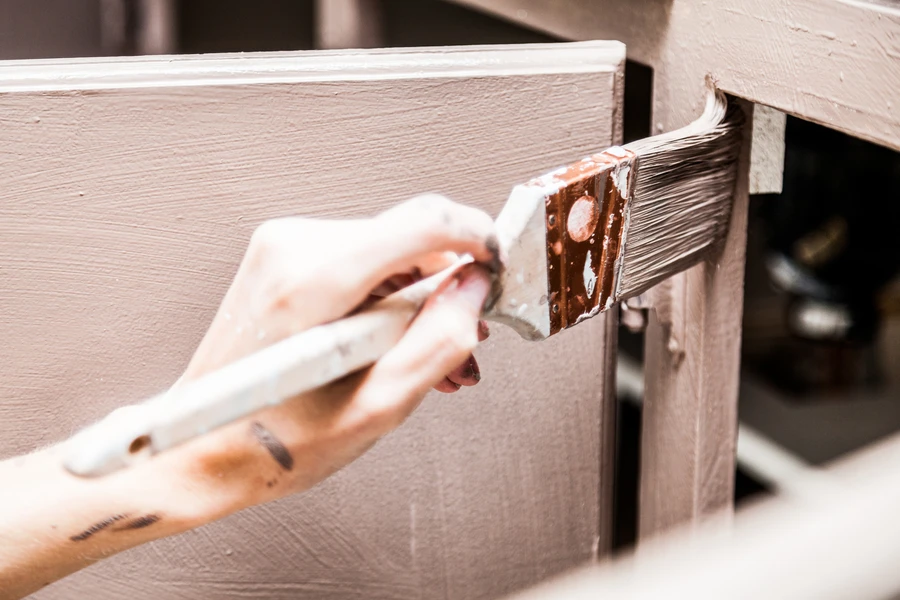
Why Prevention Matters for Painted Cabinets
Cabinets are one of the busiest parts of your kitchen. You open them every day. Steam from cooking rises around them. Spills and grease land on them. Cheap paint or poor prep cannot hold up long in this space.
When you invest in proper kitchen cabinet painting, you protect the wood underneath. Good durability means fewer touch-ups, fewer repairs, and less money spent over time.
Early Warning Signs of Weak Cabinet Paint
Before paint fully fails, it gives small warning signs. Catching these early can save your cabinets.
- Small chips near handles
- Peeling at the corners of doors
- Sticky paint that feels soft
- Fading color near the stove
- Bubbling under the surface
These signs often point to poor surface prep, low-grade paint, or too much moisture in the room.
Key Durability Factors to Check Before Painting
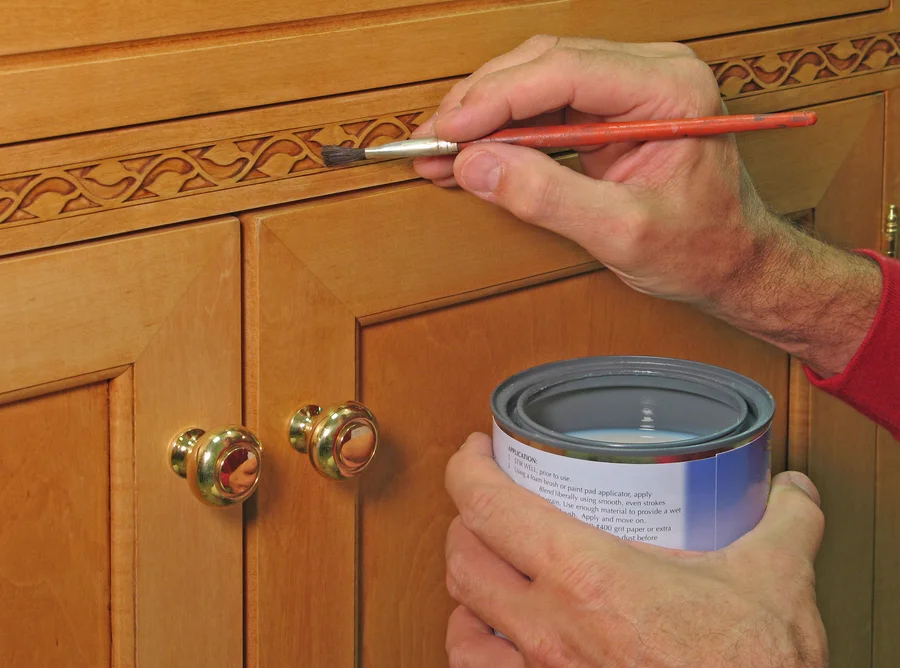
If you want long-lasting results, focus on these core factors before picking up a brush.
- Surface Preparation
Cabinets must be cleaned and degreased fully. Kitchens collect oil over time. Paint cannot stick to grease. Sanding also helps the surface grip primer. - Primer Quality
A strong bonding primer helps paint attach to slick surfaces like laminate or glossy wood. Skipping primer is one of the biggest reasons paint fails. - Paint Type
Choose paint made for cabinets, trim, or high-traffic areas. These formulas dry harder than standard wall paint. - Finish Sheen
Satin, semi-gloss, and gloss finishes are easier to clean and more resistant to moisture than flat paint. - Cure Time
Cabinet paint may feel dry in hours, but it needs days or weeks to fully harden. Heavy use too soon can cause dents or peeling. - Environmental Conditions
Painting in high humidity or extreme cold can weaken bonding and drying.
Best Practices for Long-Term Results
Once your kitchen cabinet painting project is complete, simple habits will help protect the finish.
- Wipe spills quickly with a soft cloth
- Use gentle cleaners, not harsh scrub pads
- Install soft-close hinges to reduce slamming
- Add hardware to avoid touching paint directly
- Use your kitchen exhaust fan to cut down moisture
These steps reduce wear and help cabinets stay smooth and bright.
What Not to Do If You Want Paint to Last
Some common mistakes can shorten the life of your cabinets.
- Do not paint over dirty or glossy surfaces without sanding
- Do not skip primer on laminate or stained wood
- Do not use wall paint on cabinets
- Do not close doors before paint cures
- Do not clean with bleach or strong chemicals
Rushing the process is often what causes early failure. Taking extra time during prep can double the life of the finish.
When to Schedule Professional Help
Some cabinets need more than a simple repaint. If you see deep peeling, water damage, swollen wood, or thick layers of old paint, professional tools may be needed. Spraying equipment, commercial primers, and controlled drying space can make a big difference in durability.
Homes with high humidity or heavy cooking use may also benefit from expert cabinet refinishing services. Professionals can recommend the right coating system based on how your kitchen is used.
Get Durable Cabinet Results That Hold Up
If you live in West Columbia, SC and want cabinets that stand up to daily wear, we can help you plan the right approach. At Familia BM Paint LLC, we focus on durable kitchen cabinet painting systems that are built for busy homes. Call us at (434) 429-0405 to schedule a consultation and let us help protect your cabinets with results that last for years.